
Cyberattacks in 2026 continue to intensify in frequency, sophistication, and overall impact. Below is a polished breakdown of who is being targeted, how attacks are evolving, and the essential steps every organization must take right now to protect critical data.
Key Breach Insights for 2026
• $4.4M
– Average global cost per breach (IBM 2025)
• 241 days
– Average time to identify and contain a breach
• 60%
– Breaches tied to phishing or stolen credentials
Why 2026 Looks Different
Data breaches occur when unauthorized actors access, steal, or expose sensitive information. This year’s surge is fueled by three converging trends:
• AI‑driven social engineering that is significantly harder to detect
• A rise in geopolitically motivated cyberattacks
• Persistent cloud misconfigurations exposing massive datasets
The human element remains the leading driver of breach activity.
Major Cyber Incidents of 2026
Cloud Misconfiguration – Exposed Database (149M Records)
In January, researchers found an unprotected database containing nearly 100GB of data exposed to the public internet—no exploit required. The misconfiguration exposed 149 million records.
Social Engineering – Match Group (Tinder, Hinge, OkCupid)
ShinyHunters claimed responsibility for breaching Match Group, likely through compromised credentials or third‑party vulnerabilities. The group has been linked to similar incidents at Crunchbase, Panera Bread, and others.
Ransomware – BridgePay and Adobe
BridgePay confirmed a February ransomware attack causing major operational disruption. In April, a threat actor claimed to have stolen 13 million Adobe support tickets, 15,000 employee files, and internal documents.
Geopolitical Attack – Stryker Medical Devices
In March, Iran‑linked hacktivist group Handala targeted Stryker, wiping systems in real time and forcing office shutdowns. The attack underscores the growing risk for organizations connected to defense and government supply chains.
“Most of the biggest cybersecurity breaches in 2026 were preventable failures rooted in misconfigured systems, unpatched software, and undertrained teams.”
Top Breach Causes in 2026
• Phishing and deepfake‑enabled social engineering
• Stolen credentials lacking MFA protection
• Cloud storage misconfigurations
• Unpatched software vulnerabilities
• Insufficient vendor and third‑party access controls
• Forgotten legacy data stored indefinitely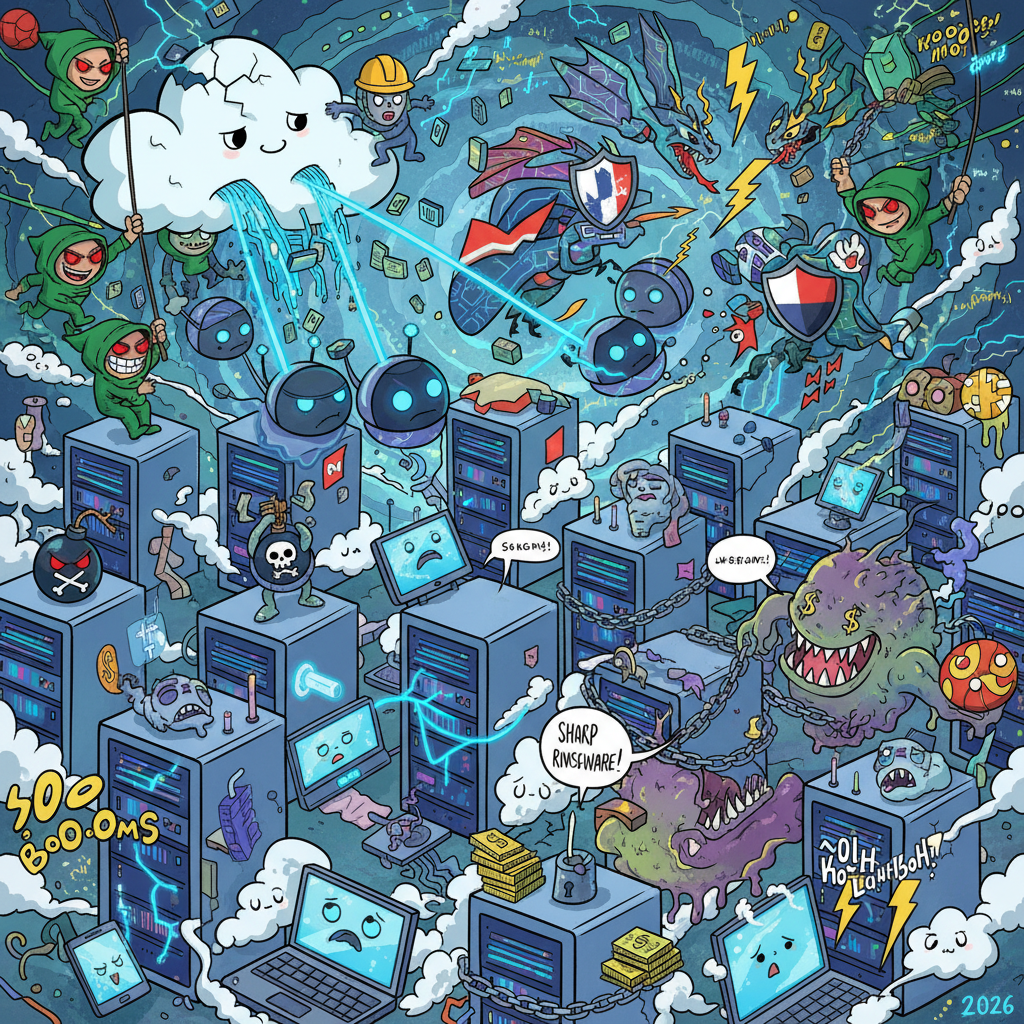
How to Reduce Breach Risk: Priority Actions for 2026
Organizations aligned with frameworks such as NIST CSF or SOC 2 detect and contain breaches more effectively. Strong fundamentals require consistency—not a massive budget.
• Enforce MFA across all accounts, especially email and remote access
• Regularly audit and remediate cloud storage configurations
• Implement a data retention policy and securely delete outdated records
• Conduct quarterly phishing simulations with real‑time coaching
• Require vendors to prove security compliance before gaining access
• Deploy endpoint detection and response tools with 24/7 monitoring
Cybersecurity Services
Strengthen your defenses with advanced ethical hacking and proactive security solutions.
Learn more
Frequently Asked Questions
What should a business do immediately after discovering a breach?
Isolate affected systems, notify your incident response team and legal counsel, and document what data was accessed. Many jurisdictions require notification within 72 hours. Engaging a forensics firm early is essential for evidence preservation and scope assessment.
How can small businesses protect themselves?
Small organizations are often targeted through larger supply‑chain connections. Enforcing MFA, maintaining employee awareness training, and keeping systems patched deliver the highest impact. Managed security services monitor threats; technical spending continues to increase; risk assessments should be performed annually; and cyber insurance policies should be purchased.
What role is AI playing in 2026 attacks?
Attackers are using AI to generate convincing phishing emails, produce deepfake audio and video, and automate vulnerability scanning. As the line between legitimate and malicious communication narrows, technical controls and human awareness training become equally critical.